Market Analysis of Nicotine Oral Dissolving Film
Market Analysis of Nicotine Oral Dissolving Film
Author: Sihan Meng,Leyu Zhu,Pengcheng Shi
Affiliation: RSBM
Email: pengchengshi@biotechrs.com; pcspc9@gmail.com
Abstract
The global market for nicotine oral dissolving films (ODFs) is emerging within the broader category of modern oral nicotine delivery products, driven by rising demand for discreet, smoke-free alternatives, regulatory shifts in tobacco harm reduction, and technological advances in film delivery. This paper analyses market size, growth drivers, segmentation, regional dynamics, competitive landscape, and future challenges for nicotine ODFs. Key findings indicate that although the nicotine ODF market remains a small niche (≈ USD 0.11-0.15 billion in 2024) [1, 2], it is expected to grow steadily with CAGRs in the 3-8 % range depending on region and forecast horizon [1, 3]. The adult segment, online retail channels, and tongue-administered film formats dominate current demand. Regulatorily driven demand for smoking cessation and tobacco-harm-reduction support the market, while challenges include regulatory uncertainty, product differentiation, and competition from nicotine pouches and e-liquids. The paper concludes with strategic implications for manufacturers, investors and formulators in this space.
Introduction
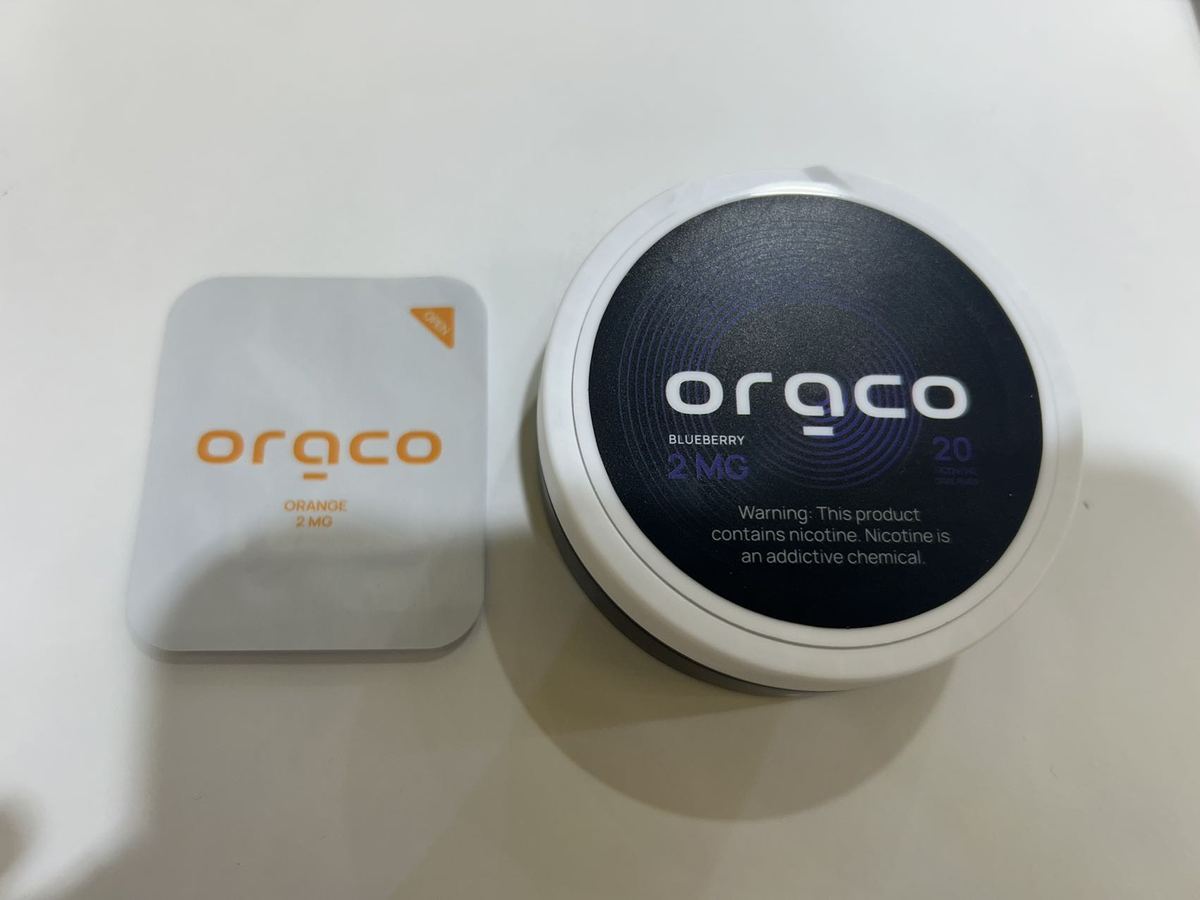
Nicotine oral dissolving films (ODFs) are ultra-thin polymeric strips embedded with nicotine that rapidly disintegrate when placed on the tongue or buccal mucosa, providing nicotine delivery without inhalation of smoke or aerosol. Their appeal lies in convenience, portability, discreet use and avoidance of combustion, supporting both nicotine-replacement therapy (NRT) and harm-reduction markets [4].
Within the broader “modern oral nicotine products” sector—which includes pouches, gums, lozenges, and films—the ODF format remains a relatively minor but strategically attractive segment due to its novelty and potential consumer appeal [5]. Despite this, the format faces hurdles: regulatory pathways may be less defined, consumer awareness is lower, and product innovation and manufacturing complexity are higher than for traditional lozenges or pouches [6].
Given these factors, a detailed market-analysis of nicotine ODFs is timely. This paper aims to: assess current market size and forecast growth; segment key drivers and barriers; analyse regional and channel dynamics; and discuss the competitive landscape and future prospects.
Methods
A qualitative and quantitative secondary-research approach was adopted:
Data collection: Market reports from sources such as Market Research Future (MRFR) [1], Stratistics MRC [2], GII Research [3], and industry news [4] were reviewed to extract market size, CAGR, segmentation and regional data.
Segmentation analysis: Market was segmented by strength (e.g., 1 mg, 2 mg), administration route (tongue vs buccal), age group (adults vs adolescents), sales channel (online vs offline) for comparison across sources [1].
Regional breakdown: Focus on major markets—North America, Europe, Asia-Pacific—and growth differentials [3].
Competitive landscape: Key players identified from reports (e.g., NICOCCINO Holding AB, Nissha, AdhexPharma) [1] and product trend data (e.g., emerging nicotine oral film products at industry expos) [4].
Trend and challenge analysis: Drivers and restraints were derived from market commentary, technology reviews, regulatory outlooks.
Measures such as market size (USD billion), CAGR, segment share (%), channel growth rate were collated and compared across sources.
Measures
Key measures and metrics used in this market analysis include:
Market size (USD billion) – value of nicotine ODF segment in a given year (e.g., 2024).
Compound Annual Growth Rate (CAGR, %) – annualised rate of growth over forecast period.
Segment share (%) – proportion of market attributable to a given sub-segment (e.g., strength, route, channel).
Regional growth differential – comparison of CAGR between geographic regions (e.g., Asia-Pacific vs Europe).
Channel growth rate – growth of online vs offline distribution.
Number of new product launches – indicator of innovation and market dynamism (based on industry news) [4].
These measures allow comparison across reports and identification of growth pockets and bottlenecks.
Results
Market Size & Growth
According to GII Research, the global nicotine oral dissolvable thin films market was estimated at USD 0.11 billion in 2024, and projected to reach USD 0.15 billion by 2032, reflecting a CAGR of ≈3.86 % [3].
More optimistic estimates from MRFR place the 2024 size at USD 6.38 billion and 2035 size at USD 14.04 billion (CAGR ≈7.43 %) [1]. (Note: this figure may reflect a broader product definition or mis-reporting).
For the U.S. market alone, one report suggests growth from USD 1.26 billion in 2024 to USD 3.2 billion by 2035, with a CAGR of ~8.8 % [2].
The broader modern oral nicotine products market (including pouches, films, gums) was estimated at USD 5.5 billion in 2023 and projected to reach USD 26.42 billion by 2030 (CAGR ~26.2 %) [5].
Segment Insights
Strength (dose): The 2 mg segment held the largest share in 2024 and was the fastest-growing segment during 2025-2035 [1].
Administration route: The tongue placement route dominated in share and growth over buccal routes, due to faster absorption and consumer convenience [1].
Age group: The adult segment held the largest share and fastest growth, as adult smokers or switchers adopt smokeless formats [1].
Sales channel: Offline channels held the largest share in 2024, but online sales are the fastest-growing segment, benefiting from e-commerce expansion [1].
Regional Dynamics
Europe accounted for ~41.67 % of global share in 2023 [1].
Asia-Pacific is projected to grow fastest (CAGR ~4.77 %) in 2025-2035 [1].
North America showed modest growth (~3.86 % CAGR) in some estimates [3].
Competitive & Innovation Trends
Key companies: NICOCCINO Holding AB, Nissha Co., AdhexPharma, ARX LLC, Zim Laboratories etc. [1].
Industry news reports new nicotine oral film products showcased at tobacco and nicotine-product expos, indicating innovation in films beyond traditional lozenges [4].
Discussion
Drivers
Smoking cessation and harm-reduction impetus: Rising public health campaigns, regulatory pressures on combustible tobacco and rising demand for discreet, smokeless alternatives drive nicotine ODF uptake [1, 4].
Convenience and discretion: ODFs offer rapid onset, no need for water or inhalation, making them attractive to adult smokers wanting flexible alternatives.
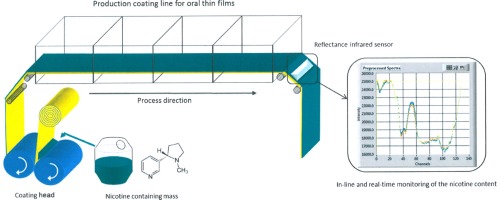
Technological innovation: Advances in thin-film delivery, flavour systems, and packaging enhance user experience and drive market acceptance.
Barriers & Risks
Regulatory ambiguity: Nicotine ODFs often fall into hybrid regulatory zones (tobacco-derived vs pharmaceutical NRT), creating uncertainty and market entry barriers.
Small base size: The market is still niche relative to gums, pouches or e-liquids. Growth is real but incremental.
Competition from pouches & e-vapor: Oral nicotine pouches and vape products may cannibalise film uptake, especially in markets where regulation favours them.
Product differentiation challenges: Generic thin films may struggle to differentiate via flavour, strength, packaging; manufacturing complexity adds cost.
Compliance & youth access: With discreet formats, enforcement of age-restrictions and misuse risks may become a regulatory focus, potentially limiting growth.
Strategic Implications
Manufacturers should target adult smokers and designated NRT channels, emphasising convenience and cessation support.
Online retail growth demands strong e-commerce strategies, direct-to-consumer packaging, and discrete shipping.
Innovation in flavour, lower dose steps, and sustainable packaging can differentiate products.
Partnerships or contract manufacturing may reduce cost and accelerate time-to-market for niche formats.
Regulatory monitoring is essential: variations in approval routes (tobacco vs pharmaceutical) across regions affect strategy.

Conclusion
The nicotine oral dissolving film market, while still modest in size, represents a growing segment within the modern oral nicotine delivery ecosystem. Growth drivers such as smoking-cessation demand, convenience, and innovation in delivery formats position ODFs for incremental expansion. Estimates suggest market sizes in the range of USD 0.11-0.15 billion globally in 2024, with CAGRs between ~3.8 % to ~8 % depending on coverage and region [1, 3]. For manufacturers and investors, success will depend on strategic segmentation (adult smokers), channel expansion (online retail), innovation (flavour, dose, packaging) and regulatory agility. Given the competitive and regulatory headwinds, differentiation and cost-efficiency will be critical. In sum, nicotine ODFs are not a mass-market breakout today, but a niche with meaningful growth potential and strategic value for companies in the tobacco-harm-reduction and NRT space.

References
Market Research Future. “Nicotine Oral Dissolvable Thin Films Market Trends, Growth ... (2025 to 2035)”. MRFR Press Release. 2024. https://www.marketresearchfuture.com/press-release/nicotine-oral-dissolvable-thin-films-market
Stratistics MRC. “Nicotine Oral Dissolvable Thin Films Market Size & Share | Global ...”. 2024. https://www.strategymrc.com/report/nicotine-oral-dissolvable-thin-films-market
GII Research. “Global Nicotine Oral Dissolvable Thin Films Market …”. 2024. https://www.giiresearch.com/report/marf1607755-global-nicotine-oral-dissolvable-thin-films-market.html
2Firsts. “New Nicotine Oral Film Products Emerging in the Market”. 21 Sep 2024. https://www.2firsts.com/news/new-nicotine-oral-film-products-emerging-in-the-market
Grand View Research. “Modern Oral Nicotine Products Market Size Report 2030”. 2024. https://www.grandviewresearch.com/industry-analysis/modern-oral-nicotine-products-market-report
Let’s Talk About Kids Group Discussion. “The nicotine oral dissolvable thin films market is rapidly gaining traction…” 2024. https://www.letstalkaboutkids.com/group/nutrition/discussion/52501d77-6ba6-42da-acfb-1ae7b189f2c0